
As the seasons change in Central Islip, NY, your locks and security systems face different environmental challenges that can affect their performance and longevity. From the humid summers along Long Island to the harsh winter freezes, proper seasonal maintenance of your locks, keys, and security hardware is essential for keeping your home, business, and vehicle secure year-round. Understanding how weather impacts your security systems and taking proactive measures can prevent unexpected lockouts, malfunctioning locks, and costly emergency repairs. In this comprehensive guide, we'll walk you through seasonal maintenance tips that will help you protect your property and ensure your locks function flawlessly throughout every season.
Spring Lock Maintenance: Fresh Start for Your Security
Spring is the perfect time to inspect and refresh your lock systems after the harsh winter months. The freeze-thaw cycles can cause significant wear on exterior locks, making this season ideal for a thorough security checkup.
Start by examining all exterior door locks for signs of rust, corrosion, or moisture damage. Winter salt and moisture can accumulate in lock mechanisms, causing internal components to deteriorate. Remove any visible debris and wipe down all metal surfaces with a dry cloth. Pay special attention to deadbolts and door handles that may have loosened during winter temperature fluctuations.
Lubricate all lock cylinders with a graphite-based lubricant specifically designed for locks. Avoid using WD-40 or oil-based products, as these can attract dust and grime, eventually gumming up the mechanism. Insert the key several times after lubrication to distribute the product evenly throughout the cylinder.
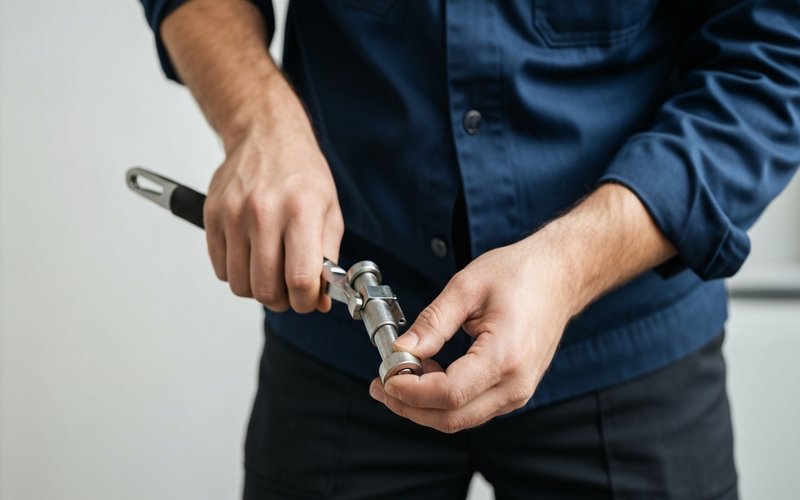
Spring cleaning should extend to your keys as well. Inspect all keys for signs of wear, bending, or teeth damage. Worn keys can damage lock tumblers over time, leading to premature lock failure. If you notice any keys showing significant wear, have duplicates made before they break inside a lock.
Check all window locks and sliding door mechanisms. These often get neglected during winter months and may need adjustment or lubrication. Ensure that security pins and tracks are clear of debris and functioning smoothly.
Summer Security Preparations: Beat the Heat
Summer's high humidity and temperature extremes present unique challenges for lock systems in Central Islip. Metal components expand in heat, which can cause locks to feel sticky or difficult to turn.
Before vacation season arrives, test all locks to ensure they're functioning properly. The last thing you want is to discover a malfunctioning lock when you're rushing to leave for a trip. This is also an excellent time to consider upgrading to smart locks that allow you to monitor your property remotely while traveling.
Humidity can cause wooden doors and frames to swell, affecting lock alignment. If you notice that doors are sticking or locks are becoming harder to engage, the strike plate may need adjustment. Misaligned locks force you to use excessive pressure, which can damage both the lock and the key.
Examine all outdoor padlocks on sheds, garages, and gates. Summer weather can accelerate rust formation, especially in coastal areas like Long Island. Consider upgrading to weather-resistant padlocks with protective covers for outdoor applications.
For automotive locks, the summer heat can affect electronic key fobs. Replace batteries proactively if you notice any delay in response time. Keep spare key fobs in a cool, dry place away from direct sunlight to preserve battery life.
Fall Lock Checkup: Preparing for Temperature Drops
As temperatures begin to drop in autumn, it's time to prepare your locks for winter's challenges. This preventive maintenance season can save you from cold-weather lockouts and frozen mechanisms.
Inspect all weatherstripping around doors. Damaged weatherstripping allows moisture to reach lock mechanisms, where it can freeze during winter. Replace any worn or cracked weatherstripping to keep your locks dry and protected.
Check that all exterior locks have proper drainage. Locks installed on gates or outdoor structures should be positioned to prevent water accumulation. If necessary, install protective covers or hoods over vulnerable locks.
Test your garage door locks and automatic openers. As you'll rely more heavily on your garage during winter months, ensure all mechanisms are functioning smoothly. Clean and lubricate garage door tracks, rollers, and lock points.
This is an ideal time to schedule a professional lock inspection. A licensed locksmith can identify potential problems before they become winter emergencies. They can also recommend upgrades to high-security locks that perform better in extreme weather conditions.
Create an indoor key storage system to prevent keys from being left outside where they could be exposed to winter weather. Consider installing a keyless entry system to eliminate concerns about frozen locks altogether.
Winter Lock Care: Defending Against Freeze and Ice
Winter poses the greatest challenges for lock systems in Central Islip. Freezing temperatures, ice, and snow can cause locks to seize up, leaving you locked out in dangerous conditions.
Never force a frozen lock. Applying excessive pressure can break keys inside the cylinder or damage internal components. Instead, use a lock de-icer product or carefully warm the key with your hands or a lighter before insertion. You can also use a hair dryer to gently warm the lock mechanism.
Keep locks free from ice accumulation by regularly clearing snow and ice from around door frames. Pay attention to locks on storm doors, as these are particularly vulnerable to ice buildup.
For vehicle locks, park in covered areas when possible to minimize exposure to freezing conditions. Keep a lock de-icer in your pocket or purse, not in your car, so it's accessible when needed.
Avoid getting locks wet during winter months. If snow or ice melts into a lock mechanism and then refreezes overnight, it can cause complete lock failure. Dry locks thoroughly after exposure to moisture.
Consider installing deadbolts with protective covers or shrouds that shield the cylinder from direct weather exposure. These simple additions can significantly reduce winter lock problems.
Year-Round Maintenance Best Practices
Beyond seasonal care, certain maintenance practices should be performed regularly throughout the year to maximize lock longevity and security.
Establish a quarterly inspection routine where you:
- Test all locks with both primary and spare keys
- Tighten loose screws on door handles, strike plates, and hinges
- Clean lock faces and remove accumulated dirt or debris
- Verify that all keys turn smoothly without resistance
- Check that deadbolts fully extend and retract
Invest in high-quality locks from reputable manufacturers. While budget locks may seem cost-effective initially, they often require more frequent maintenance and replacement. Professional-grade locks withstand environmental stress better and provide superior security.
What Maintenance Does a Locksmith Do?
Professional locksmiths provide comprehensive maintenance services that go beyond basic homeowner care. Licensed locksmiths perform detailed inspections of lock mechanisms, identify worn components before they fail, and make precise adjustments to ensure optimal function. They can rekey locks, replace worn tumblers, realign strike plates, upgrade to high-security cylinders, and install weatherproofing measures. Regular professional maintenance typically costs far less than emergency lockout services and extends the life of your security hardware significantly.
How Do You Know You Can Trust a Locksmith?
Trusting a locksmith with your security is crucial. Look for locksmiths who are licensed, bonded, and insured, which protects you in case of damage or errors. Established local businesses with physical addresses and verifiable phone numbers are more trustworthy than mobile-only services. Check online reviews and ratings from multiple sources. Reputable locksmiths provide clear pricing before beginning work and can show identification and credentials upon arrival. Avoid locksmiths who arrive in unmarked vehicles or can't provide proof of licensing.
How Much is a Locksmith Per Hour?
Locksmith rates in Central Islip and throughout Long Island typically range from $75 to $150 per hour for standard services during business hours. Emergency after-hours services, weekends, and holidays generally cost more, often adding $50 to $100 to the base rate. Many locksmiths charge a service call fee plus labor, with final costs depending on the complexity of the work. Simple tasks like rekeying typically cost less than complete lock replacements or high-security installations. Always request a detailed estimate before authorizing work to avoid surprises.
Professional Locksmith Solutions for Central Islip Residents
While regular maintenance can prevent many lock problems, professional expertise ensures your security systems function optimally year-round. At Central Islip Locksmith, we understand the unique challenges that Long Island weather presents to your locks and security hardware.
Our licensed, bonded, and insured technicians provide comprehensive maintenance services for residential, commercial, and automotive lock systems. We offer seasonal inspection packages designed to identify and address potential problems before they become emergencies. From simple lubrication and adjustment to complete system upgrades, we have the expertise to keep your property secure in every season.
Don't wait for a lockout or malfunction to address your lock maintenance needs. Proactive care saves money, prevents inconvenience, and ensures your security systems protect you when you need them most. Whether you need routine maintenance, emergency repairs, or advice on upgrading your security, our team is here to help.
Contact Central Islip Locksmith today to schedule your seasonal lock maintenance service. Our expert technicians serve Central Islip and surrounding Long Island communities with fast, reliable service. Call us now to ensure your locks are ready to face whatever weather comes your way, and experience the peace of mind that comes with properly maintained security systems.